Source Single Phase Digital Frequency Meter for Industry, Home, Electronics
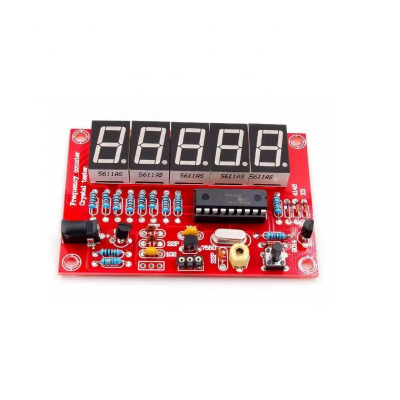
Compare 30 single phase digital frequency meters from verified suppliers. These devices support standard electric energy metering, multi-functional applications, and electronic equipment usage with digital display options and various connection types for diverse industrial and residential needs; compare the available evidence and request quotations based on your requirements.
Key considerations
Products List




Comprehensive Sourcing Guide
Single Phase Digital Frequency Meter Sourcing Guide
Procuring single phase digital frequency meters requires a disciplined approach to technical verification and supplier qualification. These instruments are critical for monitoring grid stability and ensuring that electrical systems operate within safe frequency tolerances. Buyers must prioritize devices that offer precise digital readouts and robust installation options to meet diverse industrial and residential needs. The market offers various models, each with distinct specifications that must be carefully evaluated against specific operational requirements.
This guide provides a structured framework for sourcing these meters, focusing on key technical attributes, compliance standards, and commercial considerations. By understanding the nuances of product scope, technical specifications, and quality control processes, procurement teams can make informed decisions that minimize risk and ensure long-term reliability. The following sections detail the essential steps for evaluating suppliers and selecting the right equipment for your specific application.
Product Scope and Observed Listing Signals
The current market landscape for single phase digital frequency meters reveals a diverse range of products with varying capabilities and origins. Listings indicate a price range from 0.6 to 130 USD, reflecting differences in accuracy, features, and build quality. The minimum order quantity (MOQ) typically spans from 1 to 1000 units, allowing for both small-scale prototyping and large-volume industrial deployments. Buyers should note that while some products are customized, others are standard non-customized units, impacting lead times and pricing structures.
Observed product attributes highlight significant variation in installation types, including general installation meters and direct connected models. Power sources vary between DC and AC/DC options, necessitating careful alignment with existing infrastructure. Display types are predominantly digital, offering clear and precise frequency readings. Origin locations such as Zhejiang and Shandong, China, are common, suggesting a concentration of manufacturing hubs in these regions. Understanding these signals helps buyers narrow down potential suppliers based on their specific volume and technical needs.
Technical Specifications to Verify
When evaluating technical specifications, buyers must verify the meter's accuracy class and operating temperature range to ensure reliability under varying conditions. An accuracy class of 1.0 is a common benchmark, indicating a maximum permissible error of 1% in frequency measurement. The operating temperature range, often specified as -10 to 50°C, defines the environmental limits within which the meter can function correctly. Deviations from these ranges can lead to inaccurate readings or premature device failure, making these parameters critical for selection.
Additionally, the reference frequency and frequency range are essential technical details to confirm. A reference frequency of 50Hz is standard in many regions, with an acceptable tolerance of +/- 5%. This ensures the meter can accurately track fluctuations within the expected grid variations. Buyers should also check the measured signal type, such as continuous wave, and the power meter connection method, whether terminal or feed-through type. These details impact installation complexity and compatibility with existing electrical systems, requiring thorough verification before purchase.
Compliance and Safety Documentation
Compliance with international standards is non-negotiable for electrical measurement devices, ensuring safety and interoperability across different markets. Certifications such as CE, ISO, and RoHS are frequently observed, indicating adherence to European safety, quality management, and hazardous substance restrictions. Buyers must request valid certification documents from suppliers to verify that the products meet these regulatory requirements. Without proper documentation, products may face customs delays or rejection in regulated markets, leading to significant logistical and financial disruptions.
Beyond certifications, understanding the product standards and dimensions is crucial for physical integration. Standards like 9648 or 9696 refer to the panel cutout dimensions, ensuring the meter fits into existing switchgear or control panels. Packaging types, ranging from PCB to cardboard boxes, also impact shipping costs and product protection during transit. Buyers should verify that the packaging is suitable for the intended shipping method and destination, preventing damage during transit. Clear documentation of these standards and certifications streamlines the procurement process and reduces compliance risks.
Cost Drivers and Commercial Terms
Several factors influence the total cost of ownership for single phase digital frequency meters, beyond the initial unit price. Customization availability can significantly impact costs, as tailored solutions often require additional engineering and production time. The choice between customized and non-customized units affects both the upfront price and the lead time. Buyers should assess whether standard models meet their needs to avoid unnecessary expenses associated with bespoke solutions. Volume discounts and MOQ structures also play a role in determining the final cost per unit.
Commercial terms such as payment methods, shipping responsibilities, and warranty periods are critical components of the procurement agreement. Clear definitions of these terms help prevent disputes and ensure smooth transaction processes. Buyers should negotiate favorable terms that align with their cash flow and risk management strategies. Additionally, understanding the supplier's return policy and after-sales support capabilities is essential for long-term satisfaction. Transparent commercial terms contribute to a more predictable and manageable procurement experience, reducing hidden costs and operational friction.
Supplier Qualification and Quality Control
Supplier qualification is a vital step in mitigating procurement risks, ensuring that partners have the capability to deliver high-quality products consistently. Buyers should conduct thorough due diligence, including verifying business licenses, production capacity, and quality management systems. Suppliers with established track records and positive customer feedback are generally more reliable. Engaging with suppliers who demonstrate transparency and responsiveness during the inquiry phase is a strong indicator of their commitment to customer service and product quality.
Quality control processes, including incoming material inspection, in-process testing, and final product verification, are essential for maintaining product integrity. Buyers should inquire about the supplier's quality control protocols and request sample testing reports to validate performance claims. Implementing a robust quality assurance plan, such as pre-shipment inspections, helps catch defects before products leave the factory. Collaborating with suppliers who prioritize quality control ensures that the procured meters meet the specified technical and performance standards, reducing the risk of field failures and warranty claims.
Long-Term Procurement Checks
Long-term procurement success depends on establishing ongoing performance monitoring and supplier relationship management practices. Regularly reviewing supplier performance metrics, such as on-time delivery rates, defect rates, and responsiveness to issues, helps identify potential problems early. Maintaining open communication channels with suppliers facilitates continuous improvement and addresses any emerging challenges promptly. Buyers should also stay informed about technological advancements in frequency metering to ensure their procurement strategy remains aligned with industry best practices.
Periodic audits and re-evaluations of suppliers are recommended to ensure continued compliance with quality and safety standards. This proactive approach helps maintain a high standard of product quality and service over time. Additionally, diversifying the supplier base can mitigate risks associated with single-source dependencies, providing greater flexibility and resilience in the supply chain. By implementing these long-term checks, buyers can build a sustainable and reliable procurement ecosystem that supports their operational goals and drives continuous value.
FAQs
What display type is used in single phase digital frequency meters?
Single phase digital frequency meters typically use a digital display for clear reading. This design supports both AC and DC power sources. The digital edition view ensures accurate monitoring of electrical parameters in various industrial and home applications.
Can single phase digital frequency meters be customized for specific needs?
Yes, customization is available for many single phase digital frequency meters. Buyers can request specific models like DG-J or AXD. These units support direct connected installation and offer tailored solutions for electronic equipment and standard electric energy metering requirements.
What certifications are common for single phase digital frequency meters?
Common certifications include CE, ISO, and RoHS for single phase digital frequency meters. These standards ensure compliance with international safety and environmental regulations. Products often originate from regions like Zhejiang or Shandong, meeting global market requirements for electrical and electronics applications.
How is the accuracy class defined for single phase digital frequency meters?
Accuracy class 1.0 is a standard specification for single phase digital frequency meters. This rating ensures reliable measurement of continuous wave signals. The meters operate within a frequency range of 50Hz plus or minus 5 percent, suitable for multi-functional energy metering tasks.
What packaging options are available for single phase digital frequency meters?
Packaging options include PCB, cardboard box, and box packing for single phase digital frequency meters. These methods protect the units during shipping. Standard dimensions like 96x48 or 96x96 are common, ensuring compatibility with general installation meter setups in various industrial environments.
What is the operating temperature range for single phase digital frequency meters?
The operating temperature range is typically -10 to 50 degrees Celsius for single phase digital frequency meters. This range supports reliable performance in diverse environments. The meters are designed for electronic equipment and standard electric energy metering, ensuring stability under normal conditions.